
Technology and AI initiatives in automotive environments should begin with a business and safety problem, not with a tool selection. Whether the objective is better diagnostics, fleet visibility, workshop planning, connected services, or equipment modernization, a disciplined approach helps teams turn ideas into controlled operational changes.
A useful starting point is to map the current vehicle, workshop, and network environment before defining the desired outcome. Organizations exploring practical applications of artificial intelligence in automotive innovation can use this baseline to identify where data is created, who owns it, which systems exchange it, and where technical constraints could affect deployment. Pour approfondir le sujet, consultez également notre dossier sur Xtreme HD IPTV.
The strongest programs treat AI as one component of a wider operating model. Data quality, equipment compatibility, cybersecurity, staff workflows, network capacity, and clear accountability all need attention. This article outlines an approach for evaluating projects with Auto Upgrade, identifying 2026 success factors, protecting connected equipment, and improving network performance.
How to Evaluate and Structure an Approach with Auto Upgrade
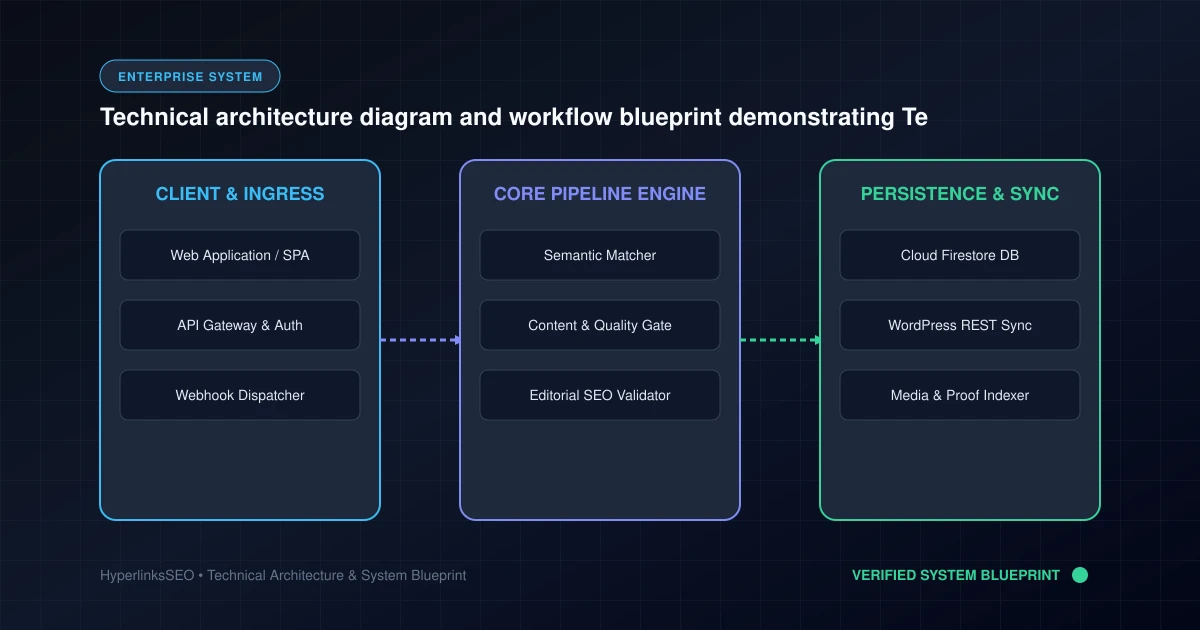
Start by converting a broad technology ambition into a defined use case. A use case should describe the user, the current friction, the decision that needs support, the data required, and the measurable outcome. For example, a workshop may want to reduce repeat diagnostic work, while a fleet operator may need earlier visibility into maintenance risks. These are different problems and should not share a generic implementation plan. Pour approfondir le sujet, consultez également notre dossier sur How to Assess and Structure a Max Seguidores Strategy.
1. Establish the operating baseline
Document the environment before proposing changes. Include vehicles and model variations, installed diagnostic tools, sensors, telematics units, workshop equipment, software versions, network connections, user roles, data stores, and external providers. This inventory makes hidden dependencies visible and gives the project a reference point for later testing.
- List the operational processes that the project will change.
- Identify the systems that create, store, transmit, or consume relevant data.
- Record known pain points, including delays, manual handoffs, incomplete records, and recurring faults.
- Define constraints such as budget, service windows, regulatory obligations, and available skills.
- Assign a business owner and a technical owner for each proposed use case.
2. Prioritize use cases before selecting technology
Score candidate projects against practical criteria: expected operational value, data readiness, safety impact, implementation complexity, integration effort, ongoing support requirements, and reversibility. A small pilot with a clearly bounded workflow is usually easier to assess than a broad program touching every vehicle or facility at once. Pour approfondir le sujet, consultez également notre dossier sur AI and IPTV in 2026.
Ask what decision the AI component will improve. If the answer is vague, the initiative is not ready for implementation. An AI output should have a defined recipient, such as a technician, service adviser, fleet manager, or supervisor, and that recipient should know when to trust the output, when to question it, and when to escalate an exception.
3. Define the pilot as a controlled learning exercise
A pilot needs an explicit scope, timeframe, acceptance criteria, and stop conditions. Select a representative subset of vehicles, devices, users, or workshop bays. Keep a documented version of the baseline process so results can be compared fairly. Do not treat a pilot as a demonstration alone; use it to reveal integration gaps, training needs, data issues, and support demands before wider rollout. Pour approfondir le sujet, consultez également notre dossier sur Viper IPTV Maroc.
Build the implementation around a measurable workflow, not around a promise that AI will solve every operational issue.
4. Set governance from the beginning
Create a decision structure that covers technical approvals, safety review, security review, data handling, user training, and incident response. Define who can approve equipment changes, who can access diagnostic or telematics data, and who can disable or roll back a deployment. Governance should be lightweight enough to support delivery while still providing an auditable record of significant decisions.
Key Success Factors for Technology and AI Projects in 2026
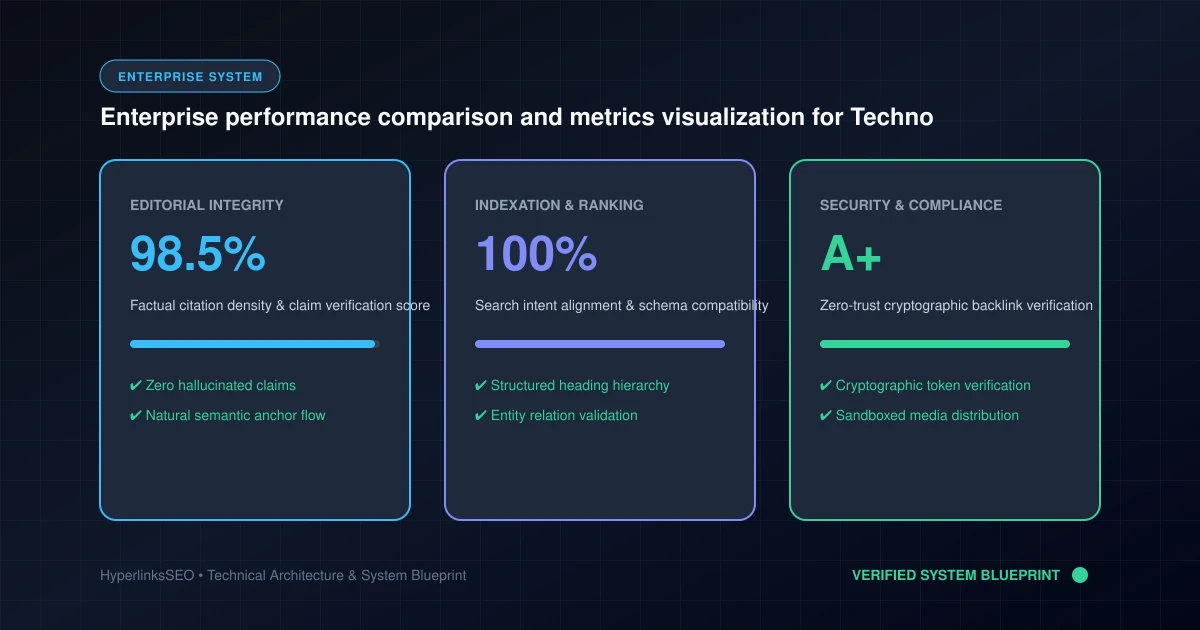
In 2026, success depends less on producing an impressive prototype and more on deploying a dependable service. Teams need to design for real operating conditions: inconsistent data, vehicle variation, intermittent connectivity, technician time pressure, supplier dependencies, and changing software versions.
Clear outcomes and accountable ownership
Each initiative should have a named owner who is responsible for business outcomes and a counterpart responsible for technical operation. Define a small set of measurements that reflect the stated problem. Depending on the use case, these may include diagnostic turnaround time, first-time fix quality, unplanned downtime, backlog age, false-alert review rate, or time spent on manual data entry.
Data discipline
AI outputs are only as useful as the operational data and rules surrounding them. Establish common identifiers for vehicles, equipment, jobs, users, and locations. Record the origin of important data, keep timestamps where relevant, and identify fields that are incomplete or unreliable. Data owners should decide how corrections are made and how long records are retained.
It is also important to distinguish between information that can assist a decision and information that can automatically trigger an action. High-impact actions deserve stronger review, clearer authorization rules, and documented fallback procedures. A human review step may be appropriate where an output influences safety, maintenance priority, customer communication, or access to a vehicle system.
Operational adoption
Introduce the change through the daily workflow. Give users role-specific training rather than a generic presentation. Technicians may need to interpret diagnostic recommendations, managers may need to review performance trends, and administrators may need to manage access rights and updates. Collect feedback in a repeatable format, then use it to refine instructions, alerts, screens, and escalation paths.
Maintainability and vendor clarity
Before deployment, define who supports each layer: equipment, connectivity, operating system, application, model configuration, identity management, and backups. Confirm update responsibilities and expected response paths for outages. Avoid dependencies that only one person can understand or operate. Documentation, handover procedures, and a tested rollback method are practical indicators of a maintainable deployment.
How to Ensure Security and Equipment Compatibility
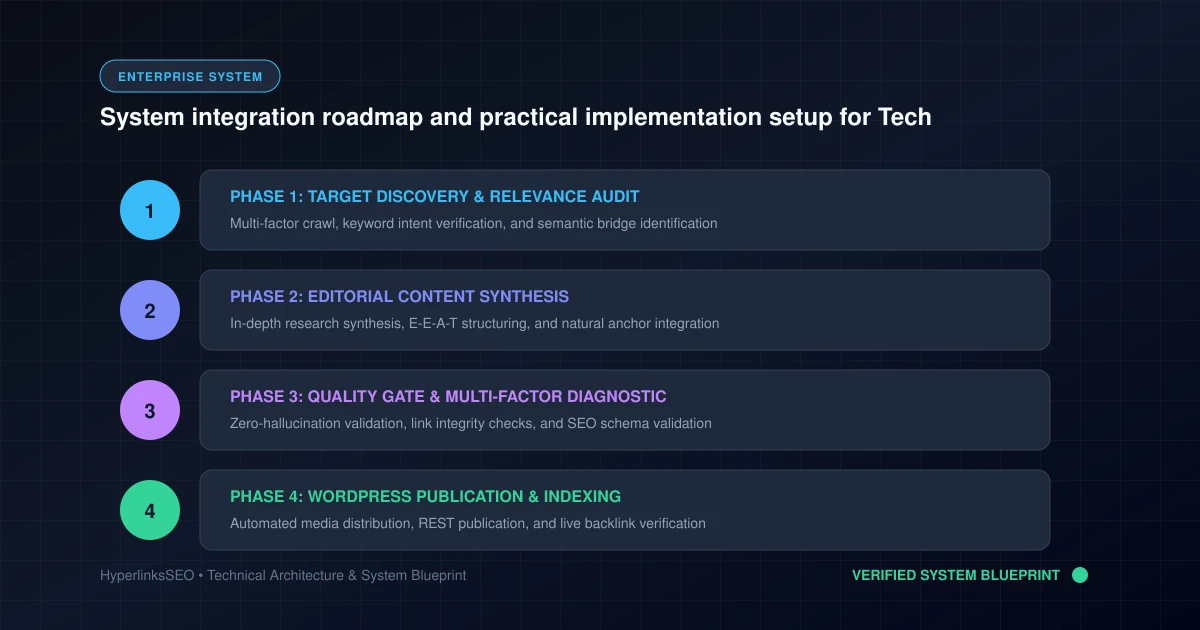
Security and compatibility should be assessed together because an unsupported connection can create both operational and security risk. The goal is not merely to make devices communicate; it is to ensure they communicate through an approved, manageable, and recoverable design.
Build an accurate asset and interface inventory
Maintain a list of equipment types, model identifiers, firmware and software versions, network interfaces, protocols, service accounts, physical locations, and responsible owners. Include older diagnostic tools and specialist equipment that may be overlooked in standard IT inventories. A complete inventory helps teams assess whether a proposed integration is supported and whether a device can be patched, isolated, monitored, or replaced.
Validate compatibility in stages
Use a test environment or limited production segment where possible. Check electrical requirements, connector standards, supported protocols, software dependencies, data formats, timing behavior, and error handling. Confirm that the new component does not interfere with safety-related systems or established diagnostic procedures. Document the tested configuration so the deployment team knows exactly which combination of versions and settings was approved.
- Confirm manufacturer or supplier support for the intended configuration.
- Test normal operation, degraded connectivity, restart behavior, and recovery after an update.
- Verify that equipment logs and alerts are available to the people who need them.
- Keep approved configuration records and change history.
- Prepare a rollback process before making production changes.
Apply practical security controls
Give each user and device only the access required for its function. Separate administrative access from day-to-day use, remove unused accounts, and review privileges when staff roles change. Protect management interfaces, require strong authentication for sensitive access, and avoid exposing equipment controls directly to untrusted networks.
Segment the environment so that a compromised workstation, guest device, or low-trust sensor cannot freely reach critical systems. Keep software and firmware under a managed update process, but test updates before broad deployment when operational continuity is important. Monitor authentication events, configuration changes, unusual traffic, and device health so the team can investigate anomalies quickly.
Best Practices for Network Optimization
Network optimization begins with visibility. Measure the applications and devices that use the network, the paths their traffic takes, the times demand increases, and the consequences of delay or loss. Do not optimize only for average speed; connected automotive and workshop environments often depend on predictable performance for selected services.
Classify traffic by operational importance
Separate traffic into practical categories such as safety-sensitive communications, diagnostic sessions, business applications, software downloads, video, guest access, and administrative management. This makes it easier to set sensible priorities and to prevent bulk transfers from affecting time-sensitive work. Network policies should reflect operational needs and be reviewed whenever new equipment or applications are introduced.
Use segmentation and resilient design
Place vehicles, workshop equipment, staff devices, guest networks, and management systems in distinct logical segments where appropriate. Segmentation improves control, simplifies troubleshooting, and limits the impact of faults. For important services, consider alternative connectivity paths and documented procedures for working through an outage. Resilience planning should focus on the workflow: identify what must continue, what can wait, and how staff will operate safely if a connection is unavailable.
Monitor, test, and refine
Establish a baseline for latency, packet loss, connection stability, device availability, and bandwidth use at important locations. Review this information alongside operational events, such as failed diagnostics or delayed updates, to identify whether a network condition is contributing to the problem. Make one controlled change at a time, test the result, document it, and retain the ability to reverse it.
Wireless planning also matters. Survey coverage in actual work areas, account for physical obstructions and moving vehicles, and test roaming behavior for mobile devices. Avoid assuming that a strong signal alone guarantees a reliable service; capacity, interference, authentication delays, and application behavior can all affect the user experience.
A Practical Implementation Checklist
- Define the problem: state the operational decision or workflow to improve.
- Map the environment: inventory vehicles, equipment, applications, identities, and network dependencies.
- Assess readiness: evaluate data quality, integration needs, skills, budget, and support capacity.
- Run a bounded pilot: use measurable acceptance criteria and a documented rollback plan.
- Secure the design: apply access control, segmentation, managed updates, and monitoring.
- Validate compatibility: test approved configurations and failure scenarios before scaling.
- Train users: explain the new workflow, exception handling, and support route.
- Review continuously: measure outcomes, investigate gaps, and revise the operating model.
Frequently Asked Questions
How should an organization begin an AI initiative with Auto Upgrade?
Begin with a focused operational problem, then inventory the relevant equipment, data, systems, users, and network connections. Select a small use case with clear ownership and define how success, safety, support, and rollback will be evaluated during a pilot.
What matters most for AI project success in 2026?
Clear outcomes, reliable data, accountable owners, user adoption, cybersecurity, integration testing, and an ongoing support model are central. A project should be judged by dependable improvement in a real workflow rather than by the complexity of the technology alone.
How can teams protect security while connecting new equipment?
Maintain an asset inventory, verify supported configurations, restrict access by role, segment networks, manage updates, monitor activity, and test recovery procedures. Security review should occur before deployment and whenever a major configuration changes.
What is the most effective approach to network optimization?
Measure current behavior, classify traffic by operational importance, separate network segments, prioritize critical services, and test changes under normal and degraded conditions. Document the baseline and refine settings using observed performance rather than assumptions.
Conclusion
Technology and AI can support better automotive decisions when implementation is grounded in operational reality. A structured evaluation, controlled pilot, compatible equipment design, layered security controls, and measured network optimization provide a stronger foundation for scale. The objective is a service that users can understand, operate, secure, and improve over time.